
Sign This Petition
Retired African Elephants from Seneca Park Zoo must be Transfered Warm-Weather Sanctuary
Thank you! Your submission has been received!
Oops! Something went wrong while submitting the form.

Petition Submitted by Help An Animal Admin
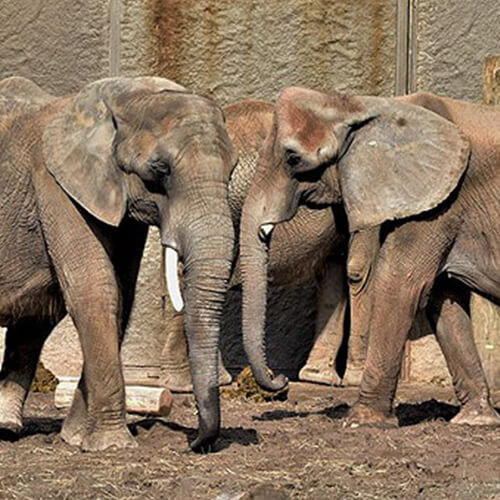
We, the undersigned, call on Seneca Park Zoo in Rochester, New York, to retire its remaining African elephants, Jenny C and Lilac, to a warm-weather sanctuary. The frigid winters and captivity at Seneca Park Zoo create a storm of debilitating ailments for these magnificent animals, leading to a fast march to death.
In 2019, female African elephant Chana died at only 37 years of age. She suffered from chronic foot ailments, as well as autoimmune skin disease, degenerative joint diseases, and other conditions. She reportedly lowered herself into a kneeling position one day and was unable to stand up again. The zoo euthanized her.
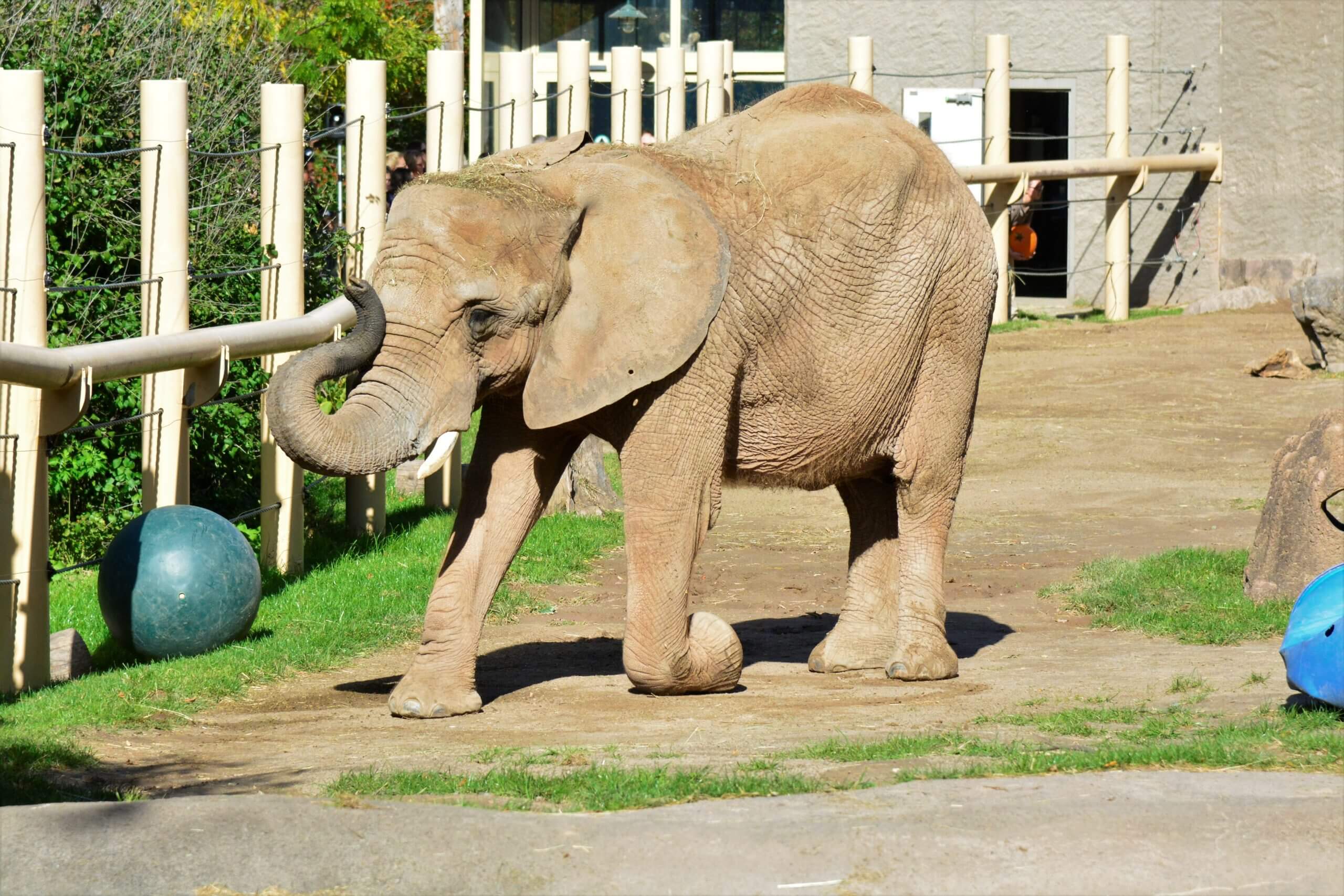
Two of the three remaining elephants, Jenny C and Lilac, are suffering from arthritis as well. Jenny C’s is advanced, painful, and debilitating. This is no coincidence. Chana was moved from Jacksonville Zoo in Florida to Seneca Park Zoo in 2015 with her life-long companion Moki. Both zoos ignored the needs of these elephants when they collaborated to ship them from a warm-weather climate to one that has extended cold and dark winters. For nearly five months of every year, the mean temperature is at or well below freezing.
Seneca Park Zoo causes particularly egregious harm since the elephants must remain indoors for much of the cold winters. Elephants can tolerate cold and snow up to a point, but the climate at Seneca Park Zoo often requires them to stay inside heated barns. AZA accreditation standards are clear that whenever the temperature goes below forty degrees for longer than sixty minutes for an elephant, supplemental heat or other measures must be implemented and elephants must be monitored every sixty minutes. The frequent and far colder outdoor temperatures that last for months at the Zoo cannot be mitigated this way, so the elephants have to remain in the barn much of the time.
In Defense of Animals has measured the outdoor “yards” and barn, and found the outdoor yard is one-third smaller than the walled-in barn. The barn is about 0.87 acres, but it’s not open space. It’s divided into several steel-barred stalls. The outdoor “yards,” when available, are even smaller — one-third less in total. Outdoors, three large African elephants get only 0.54 acres for life, but even that is divided into three smaller parts at Seneca Park Zoo. That’s a terribly small space for elephants.
Jenny C and Lilac were the only elephants at Seneca Park Zoo from 1979 to 2015. For Chana and Moki, their arrival at Seneca Park was the fifth time they were shipped to a different location, all before age thirty-four. This was the latest act of transfer abuse, which is known to cause trauma in elephants as they are taken from familiar surroundings and elephants to yet another strange place, again and again.
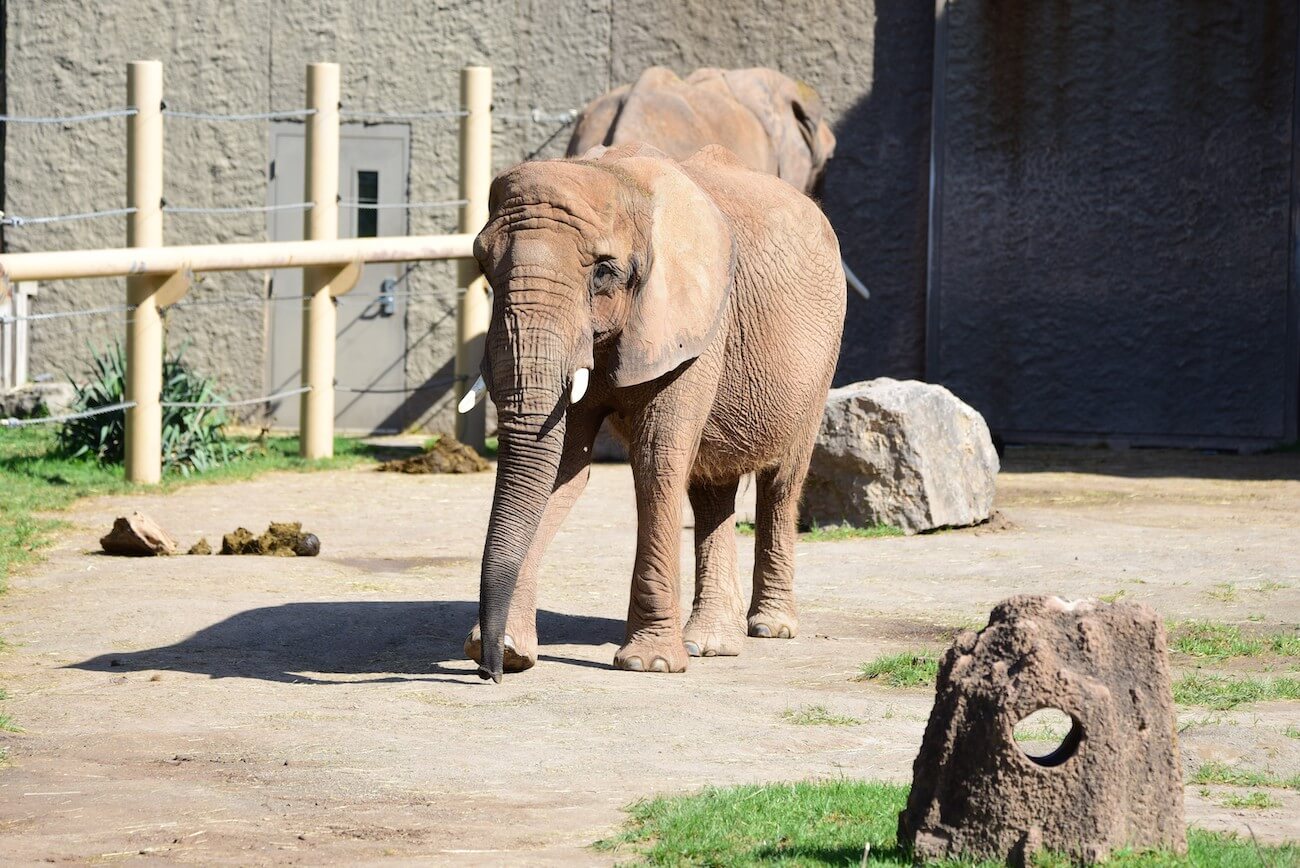
Under these cold, restricted space conditions, it’s no wonder that of the three elephants at the Zoo, two are currently being treated for arthritis. Genny C, age 44, has painful, debilitating arthritis that began when she was only 34. Lilac, age 43, has arthritis in her wrist. Since Chana was euthanized because of her suffering from severe arthritis as well, the pattern fits the science of how captivity kills elephants in zoos.
Because Genny C’s arthritis is in both her front legs, she this year underwent an unnatural tusk “trimming” procedure. Portions of her tusks have been sawn off in a bid to reduce the weight that strains her joints. Genny C likely would still have her tusks and healthy joints if
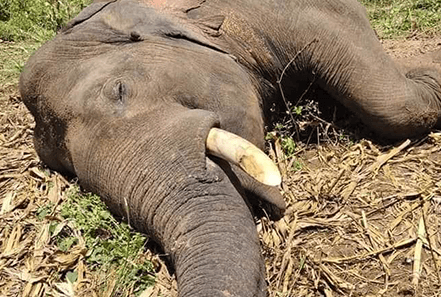
We, the undersigned, are calling on the Monterey Zoo in Salinas, California, to fulfill its promises of retirement and sanctuary life for elephants.
Sign Petition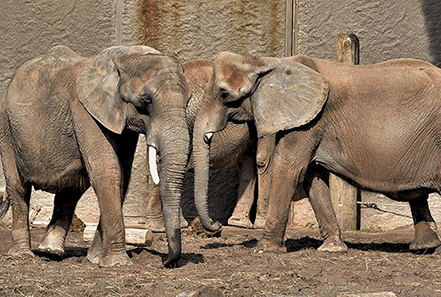
We, the undersigned, call on Seneca Park Zoo in Rochester, New York, to retire its remaining African elephants, Jenny C and Lilac,to a warm-weather sanctuary.
Sign Petition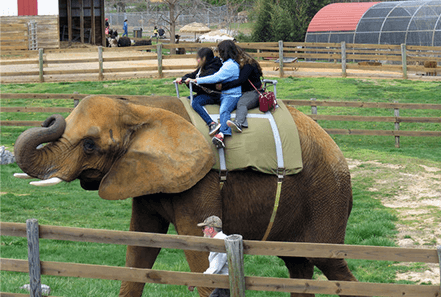
We, the undersigned, are calling for an end to the mistreatment of Asha, an African elephant held captive at Natural Bridge Zoo in Natural Bridge, Virginia.
Sign Petition